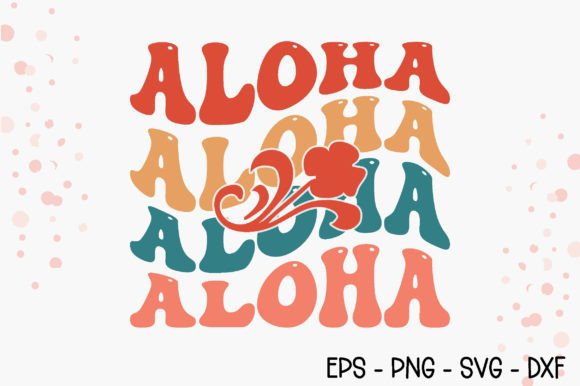
Aloha - Retro Summer SVG Review
As a designer who spends more time than I care to admit staring at stitch charts and troubleshooting tension issues, I approach every new digital embroidery file with a healthy dose of skepticism. The market is flooded with clip art that looks charming on screen but turns into a tangled mess of thread when pushed through the hoop. That is exactly why I decided to put Aloha - Retro Summer SVG to the test before recommending it for any client project or small business inventory. This piece falls squarely into the Crafts and Graphics categories, promising versatility across everything from apparel to home decor. But does it hold up in real-world application? Let’s dive into the practicalities of using this design for actual production.
First Impressions and Visual Personality
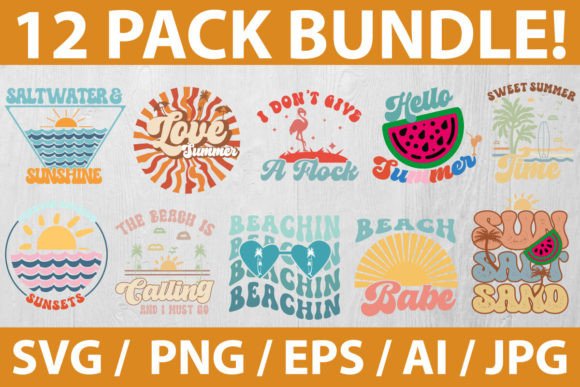
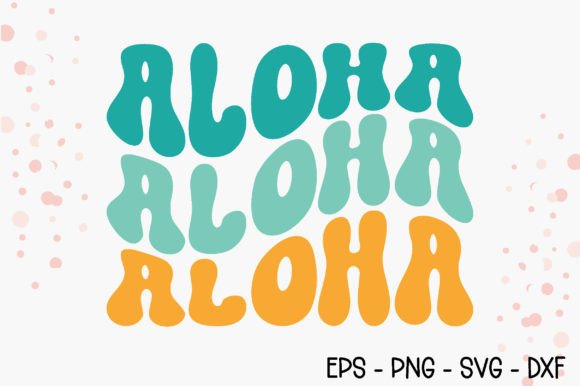
The moment you load Aloha - Retro Summer SVG into your digitizing software, the vibe is immediate. It screams relaxed, nostalgic summer energy without feeling cluttered. The retro aesthetic is handled with enough restraint to make it feel timeless rather than trendy, which is crucial for anyone building a brand that needs to last beyond a single season. For an embroidery project, visual clarity is king, and this design delivers by keeping its focal points distinct. The shapes are bold enough to be recognized even when stitched out in smaller sizes, yet detailed enough to reward a closer look. It feels like a design that belongs on a high-quality cotton tee or a sturdy canvas tote, where the texture of the fabric can complement the graphic nature of the artwork.
When evaluating the layout, I appreciated how the elements balance each other. There is a natural flow that guides the eye, preventing the "busy" look that often plagues summer-themed designs filled with pineapples, waves, and suns. Instead, it focuses on a cohesive mood. This makes it incredibly versatile for custom apparel or personalized gifts. Whether you are creating a birthday gift for a teenager or a boutique item for a beach wedding, the design strikes a chord that feels both fun and sophisticated. It avoids the kitsch factor, which is a major plus for maintaining a professional image in your craft business.
Real-World Application: From Screen to Stitch
I tested the concept of this design across several common product types to see where it shines. First up was the classic tote bag design. Using a heavy-duty canvas bag, the retro theme pops beautifully against the neutral background. The contrast between the vibrant thread colors and the rugged fabric texture enhances the handmade appeal. Customers love items that feel tactile, and this design lends itself well to that experience. It works particularly well as a small shop product because it doesn’t require overly complex color changes that drive up production time.
Another strong candidate for this machine embroidery design is the sweatshirt. Imagine a cozy, oversized fleece in a heather grey, featuring this retro summer motif on the chest or back. The warmth of the garment contrasts nicely with the breezy theme, making it perfect for transitional seasons or indoor comfort wear. For Etsy sellers, this combination offers a unique selling point: a seasonal design that isn’t strictly tied to hot weather, allowing you to list it year-round. It also translates surprisingly well to apron embroidery for kitchen use, adding a splash of personality to culinary tasks.
However, the true test of any embroidery file is its performance on curved surfaces. I considered using this for cap embroidery or hat branding. While the central motif might work, the surrounding elements need careful placement to avoid distortion on the curve of a baseball cap brim. It is less ideal for tiny embroidered patches meant for the sleeve of a jacket, simply because the details may become too fine to distinguish after washing. For these smaller applications, you would want to simplify the design or scale it up significantly, which brings us to the importance of checking the original vector quality.
Where to Exercise Caution
No design is perfect for every scenario, and being honest about limitations is part of responsible reviewing. Aloha - Retro Summer SVG requires some thought when applied to challenging materials. If you plan to use this on thin or stretchy fabrics like jersey knits or lightweight polyester blends, you must use a proper stabilizer to prevent puckering. The design likely contains areas of dense stitching that could pull on delicate threads if not supported correctly. I strongly advise testing on scrap fabric first to dial in your tension settings.
Furthermore, consider the fabric texture when choosing your final product. On heavily textured fabrics like bouclé or thick chenille, the finer details of the retro graphics may get lost. In such cases, the design might benefit from an applique design approach, where solid blocks of fabric provide a clean base for the embroidered details. Also, be mindful of dark fabrics. While bright thread colors can pop, they can also create a harsh contrast that detracts from the soft, nostalgic mood of the design. A lighter thread palette on a dark background might yield a more subtle, premium look.
Another area to watch is small lettering or intricate decorative accents within the file. If your digitizing software allows for resizing, ensure that any text remains legible. Tiny text often suffers from thread breakage or merging during the stitching process. If you are producing commercial embroidery items that will undergo frequent washing, such as uniforms or baby clothes, verify that the stitch density is robust enough to withstand abrasion. Designs with loose running stitches may fray over time, affecting the longevity of the finished product.
Practical Designer Notes for Production
To get the best results from Aloha - Retro Summer SVG, follow these practical steps before committing to bulk production. First, always check the hoop size requirements. Even if the design fits in a standard 4x4 inch hoop, placing it on a large tote bag might require repositioning or a larger frame to maintain alignment. Second, review the thread colors carefully. Digital previews can be misleading due to screen calibration differences. Print out a black-and-white mockup to check the contrast levels between different thread shades. This helps identify potential muddiness in the final stitch-out.
It is also wise to compare light and dark fabric backgrounds side-by-side. Sometimes a color combination that looks vibrant on white fabric appears dull or muddy on navy blue. Adjust your thread choices accordingly to ensure the design retains its impact. Additionally, inspect the design for any unnecessary trim jumps or excessive travel stitches that could slow down your machine and increase production costs. Efficient digitizing leads to higher profit margins for your handmade product line.
Finally, do not overlook the licensing terms. Since you will receive a ZIP file containing the design assets, read the included license agreement thoroughly. Confirm whether you are allowed to sell finished physical items, digital mockups, or if there are restrictions on commercial use. Many creative entrepreneurs have faced legal issues by assuming personal-use licenses cover commercial sales. Clarifying this upfront protects your reputation and your bottom line.
Final Verdict
Aloha - Retro Summer SVG is a solid addition to any designer’s library, particularly for those focused on lifestyle brands, gift shops, or casual apparel lines. Its retro charm is executed with a level of professionalism that inspires customer trust and engagement. By paying attention to fabric choice, stabilization, and thread selection, you can transform this simple graphic into a standout piece of wearable art. It is not just a download; it is a tool for creating memorable, high-quality products that resonate with buyers looking for something with soul. If you are ready to add a touch of vintage summer vibes to your collection, this design is worth the investment—provided you respect the technical nuances of embroidery production.