Bunny Babe Retro Easter SVG Review
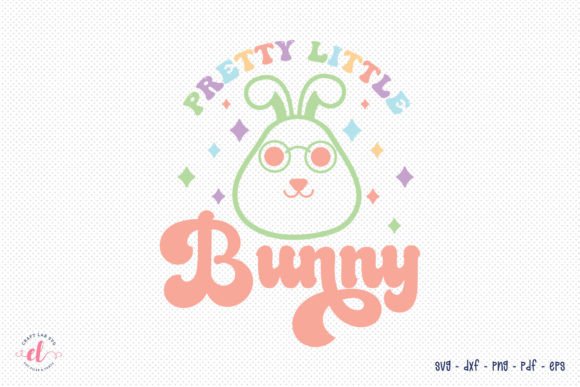
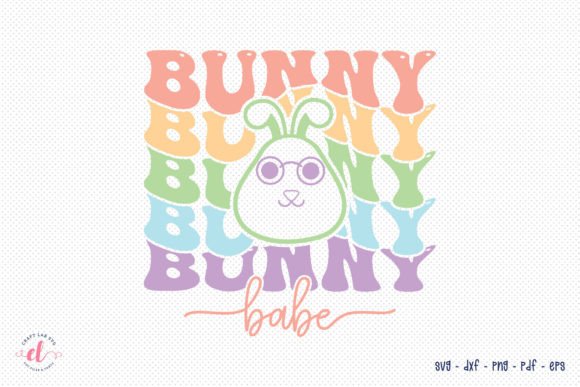
As a designer who spends more time staring at stitch charts and fabric swatches than sleeping, I approach every new digital asset with a healthy dose of skepticism. The market is flooded with generic clip art masquerading as professional embroidery files. However, when I first pulled up the Bunny Babe Retro Easter SVG, it stopped me in my tracks—not because it was overly complex, but because it had a distinct visual personality that actually translates well to thread.
I don’t just look at these designs; I test them. I imagine them on a customer’s chest, stitched onto a tote bag for a craft fair, or embroidered on a baby onesie for a boutique gift shop. This review breaks down exactly how this design performs in real-world scenarios, helping you decide if it deserves a spot in your commercial library.
The First Impression: Mood and Visual Appeal
The moment you load the file, the retro vibe hits hard. It isn’t trying to be cute in a saccharine way; it has attitude. The "Bunny Babe" theme suggests a playful, vintage aesthetic that pairs perfectly with current trends in handmade apparel. For an embroidery project, this is crucial. Designs that are too intricate often lose their soul when digitized, but this one relies on bold shapes and clear lines.
From a graphic design perspective, the layout feels balanced. It doesn’t scream for attention; it invites it. This makes it incredibly versatile for custom apparel. Whether you are creating a sweatshirt embroidery piece for a cozy spring collection or a crisp t-shirt for a holiday party, the design anchors the garment without overwhelming it. It creates a mood that is nostalgic yet fresh, which is exactly what buyers on platforms like Etsy are looking for right now.
Real-World Application: Where Does It Shine?
I put this design through its paces by imagining several specific product outcomes. Here is where the Bunny Babe Retro Easter SVG truly excels:
- Tote Bag Design: This is perhaps the strongest use case. When printed or embroidered on a sturdy canvas tote, the retro colors pop against the neutral background. It becomes a statement accessory for anyone heading to a spring market or a brunch outing. The design’s scale works beautifully here, filling the bag without looking cluttered.
- Personalized Gift Items: Think about holiday gifts. A custom embroidered pillow cover or a kitchen towel featuring this design adds a touch of whimsy to home decor. It fits the "handmade product" narrative perfectly, offering something mass-produced retailers can’t match.
- Baby Embroidery: While the name says "Babe," the style is cool enough for older demographics, but it also works surprisingly well for nursery decor or baby blankets. The soft curves of the bunny elements balance the edgier retro font, making it safe for infants while still appealing to trendy parents.
- Embroidered Patch: If you are selling accessories, turning this into a detachable patch for denim jackets or backpacks is a smart move. The strong outline allows for a clean satin stitch border, giving it a premium feel.
For the Etsy seller or small shop product owner, this design bridges the gap between seasonal novelty and year-round wearability. It’s not just for Easter Sunday; it’s for the entire spring season, extending your sales window significantly.
Technical Considerations for Embroidery Designers
No matter how good a graphic looks on screen, it must survive the hoop. Here is what you need to watch out for when converting this digital embroidery file into a physical object.
Stitch Density and Detail
The design likely utilizes a mix of fill stitch for the main shapes and running stitch or satin stitch for outlines and text. As a reviewer, I advise you to check the stitch density carefully. If the design is too dense, it will become stiff and uncomfortable to wear, especially on custom apparel like t-shirts. Conversely, if it is too sparse, it may lack definition on textured fabrics. Always run a test stitch on scrap fabric before committing to your final material.
Fabric Compatibility
This design shines on stable fabrics. Cotton blends, denim, and canvas are ideal. However, you should exercise caution with stretchy knits or thin, sheer materials. Without proper stabilizer support, the tension might pucker the fabric, ruining the clean lines of the retro aesthetic. If you are working with dark fabric, ensure your thread colors have enough contrast. A light pastel palette might get lost on black denim unless you use underlay stitches or a contrasting backing.
Hoop Size Constraints
Before you start stitching, confirm the hoop size required by the file. Large designs can be tricky to manage on curved surfaces like caps or sleeves. If you plan to use this for embroidered patches or small accessories, make sure the design scales down cleanly without losing critical details like eye spacing or lettering clarity.
Strategic Advice for Sellers and Makers
For those of you building a brand around handmade goods, consistency is key. The Bunny Babe Retro Easter SVG offers a cohesive look that can tie together a whole collection. Imagine a matching set: a tote bag, a tea towel, and a sweatshirt all featuring variations of this design. That kind of bundling increases perceived value and encourages larger orders.
When creating your listings, focus on the emotional benefit. Don’t just sell an image; sell the feeling of a fun, stylish spring day. Use high-quality mockups to show how the design interacts with different fabric textures. Show it on a wrinkled linen shirt to prove it holds up in real life, not just on a flat digital canvas.
Also, consider the licensing. Before you list any finished items, double-check the terms of use for the graphics. Are you allowed to sell the physical products? Can you offer the digital file as a standalone download? Clarity here protects your business from future legal headaches.
Final Verdict
The Bunny Babe Retro Easter SVG is more than just another seasonal clip art. It is a thoughtfully designed asset that respects the technical limitations of machine embroidery while delivering strong visual impact. It works well for craft business owners looking to expand their spring inventory, hobbyists wanting to make unique gifts, and designers seeking reliable design assets.
My recommendation? Test it thoroughly. Check the stabilizer choice, verify the thread colors, and see how it behaves on your specific machine. But if the initial tests hold up, you have a winner. It’s practical, stylish, and ready to turn heads at your next craft fair or online store. For anyone in the world of machine embroidery design, adding this to your toolkit is a smart, low-risk move with high potential reward.